Reflecting on the glory of God in creation, the author of the book of Sirach writes, “He has ordained the splendors of his wisdom, and he is from everlasting to everlasting. Nothing can be added or taken away and he needs no one to be his counselor” (Sir 42:21). At the heart of this passage is the conviction, reflected elsewhere in Scripture, that God’s creation is fundamentally ordered by his wisdom. This means that creation, in every dimension, is intelligible by the light of reason, that every creature is part of a coherent whole, and that the inquiry into creation shows forth the glory of its Creator. From this is established the value of education. It is only fitting then that the Church should spend so much of her energy in promoting holistic education, especially when the modern world has often lost sight of the greater coherence of creation. As Pope Leo XIV has noted:
Today, we have become experts in the smallest details of reality, yet we have lost the capability of an overarching vision that integrates things through a deeper and greater meaning. The Christian experience, however, wishes to teach us to look at life and reality with a unified gaze, capable of embracing everything while rejecting merely partial ways of thinking. (Homily of Oct. 27, 2025)
One way that the Church supports the work of education is through the sponsorship of Pontifical Universities. These institutions, spread throughout the world, are under papal direction and are empowered to confer degrees in topics ranging from theology to scripture to psychology.
Through the direction of these universities, the Holy See participates in the formation of human knowledge while ensuring a holistic view that integrates these studies within the bounds of the faith of Jesus Christ. With last week marking the Mass for the inauguration of Pontifical Universities’ academic year, it is a particularly useful time to reflect on the history and impact of some of these institutions. This can help us grow in appreciation of the Church’s past and current work within academia.
Pontifical Gregorian University (The Gregorium)
Founded in 1552 by St. Igantius Loyola, the Gregorium is run by the Society of Jesus and is the oldest of the pontifical universities. It bears its name for Pope Gregory XIII, who greatly expanded its privileges and courses of study. Today, those courses of study include Philosophy, Sacred Scripture, and Eastern Christianity. Some notable alumni include St. Robert Bellarmine, St. Oscar Romero, and Pope St. Paul VI.
Pontifical University of St. Thomas Aquinas (The Angelicum)
The Angelicum is run by the Order of Preachers and has a particular mission to promote the thought and teaching of St. Thomas Aquinas. It features courses of study in Theology, Religious Education, and the thought of St. John Paul II. Some notable alumni include Bl. Alvaro del Portillo, Pope St. John Paul II, and Pope Leo XIV.
The Pontifical University of the Holy Cross
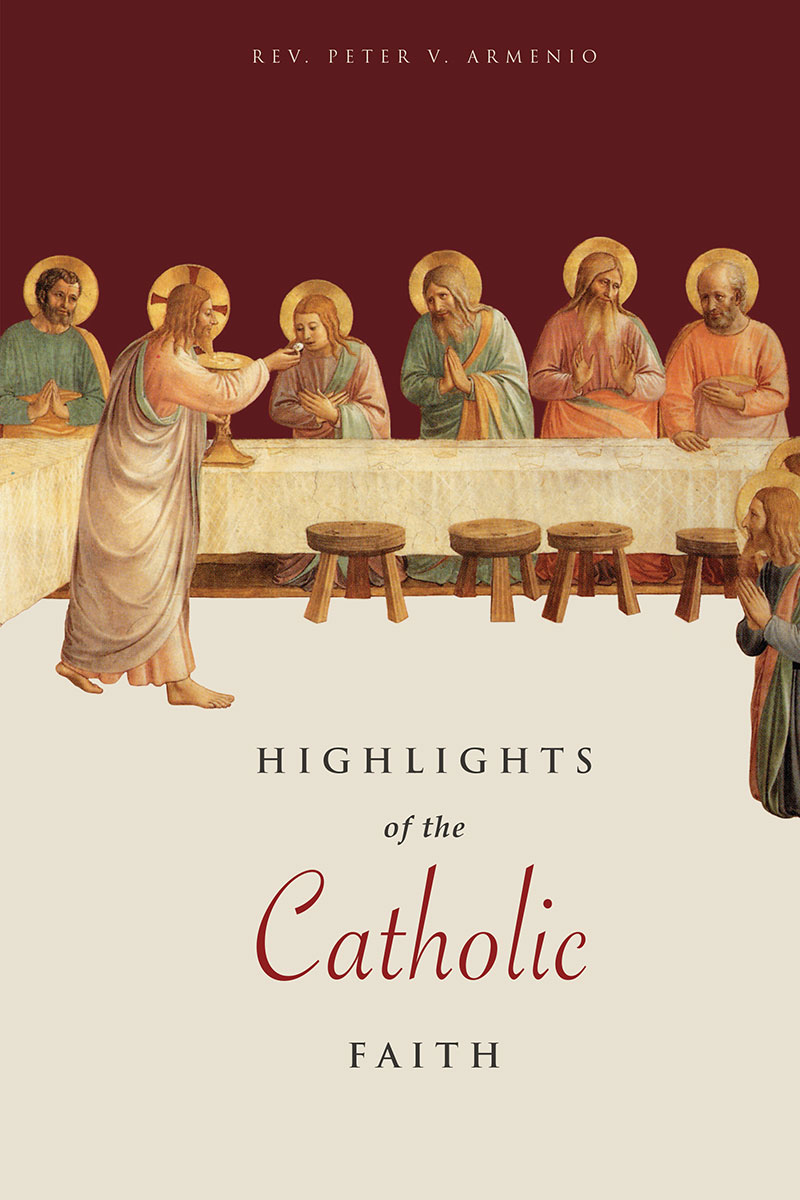
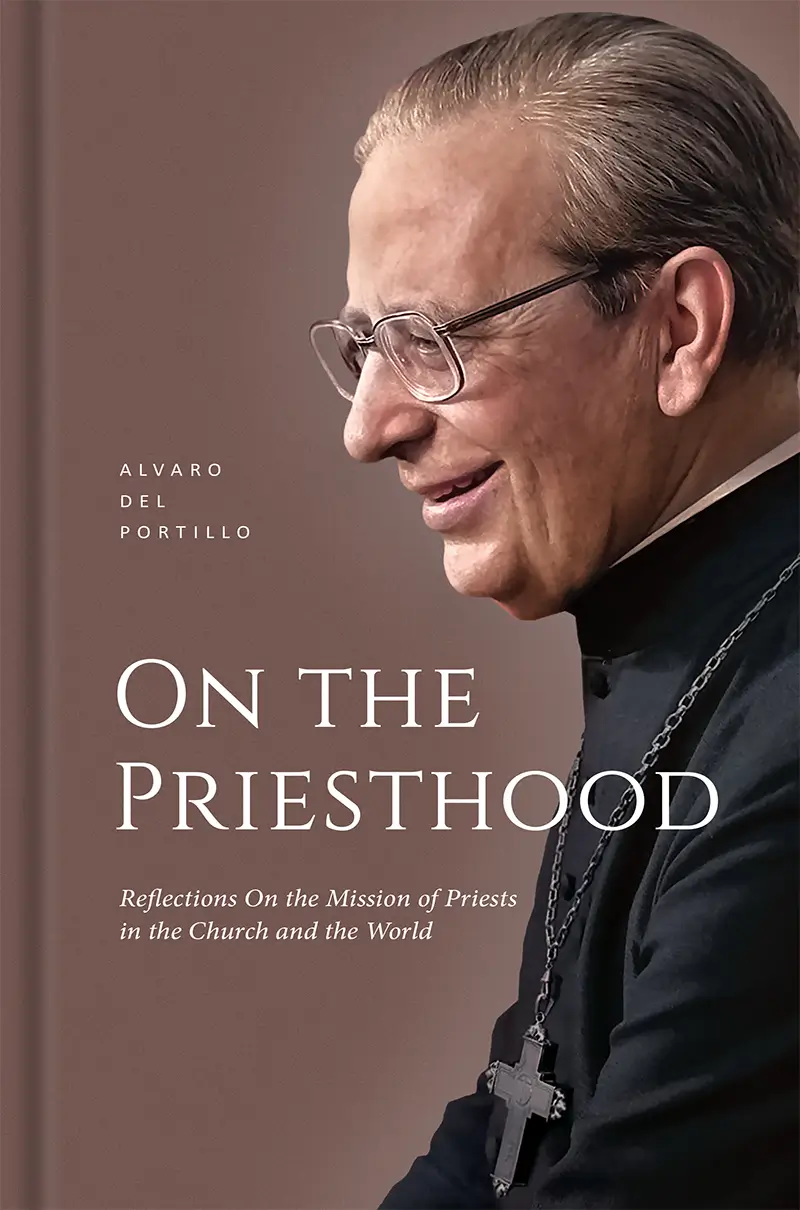
Fulfilling the desire of St. Josemaria Escriva, the founder of Opus Dei, Bl. Alvaro del Portillo founded the Pontifical University of the Holy Cross in 1984 with the support of Pope St. John Paul II. Today, it offers courses of study in topics that include Canon Law, Church Administration, and Communication. Some notable alumni include Fr. Peter Armenio and Fr. Mariano Fazio.
The Catholic University of America
Founded in 1887 by the bishops of the United States, the Catholic University of America is the country’s oldest Catholic research university. Today, it offers a wide range of courses of study including Architecture, Music, and the only school of Canon Law in the United States. Some notable alumni include Servant of God Thea Bowman, Venerable Emil Kaupan, and Blessed Fulton Sheen.
These and other pontifical universities take care to equip their students not only with expertise in their field but with the proper theological vision to see their work as an extension of Christ in the world. This applies not only to those in academia, but to all men and women as they persist in their daily work and the ongoing task of education. Let our prayer for all those studying (including ourselves) be the same as Pope Leo’s from the inaugural Mass for the 2025 academic year:
May your academic journey help you to know how to speak, narrate, deepen and proclaim the reasons for the hope that is in us (cf. 1 Pet 3:15). May the university form you to be men and women who are never bent in on themselves but always upright, capable of bringing the joy and consolation of the Gospel wherever you go. May the Virgin Mary, Seat of Wisdom, accompany and intercede for you. (Homily of Oct. 27, 2025)
Sam Landon
Sam Landon is an Associate Editor at Midwest Theological Forum. He holds a master’s in religious studies specializing in New Testament and early Christianity from the University of Chicago. He has worked extensively in campus ministry to help young adults grow closer to Christ. He and his wife live in Chicago, IL.

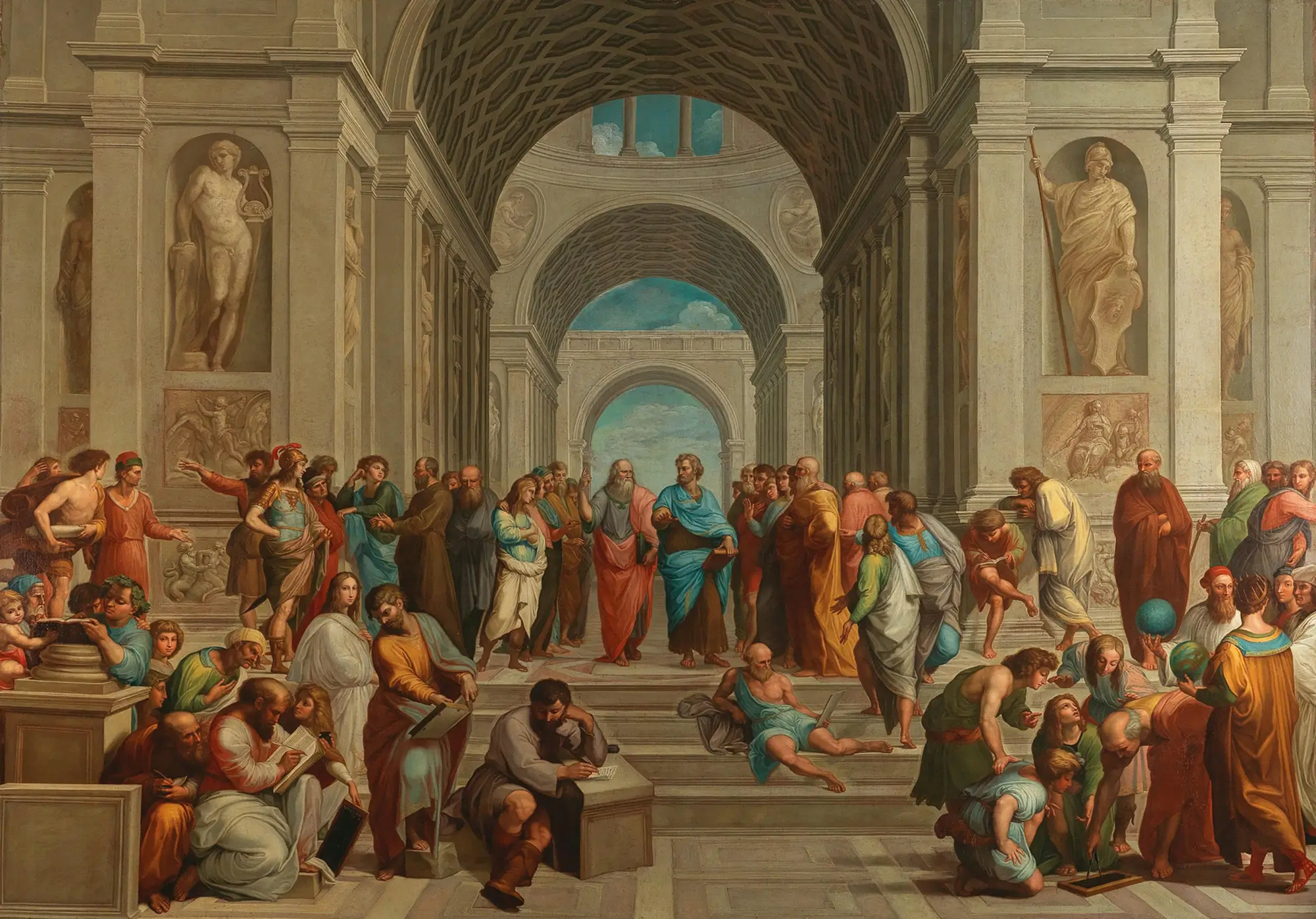
The School of Athens by Raphael.