Throughout the history of the Church, various pontiffs have applied unique titles to the Good News, or evangelium, drawing the faithful's attention to particular aspects of the teachings of Jesus Christ.
St. John Paul II famously coined the term the "Gospel of life," which was the titular phrase of his encyclical Evangelium vitae and which highlights the inherent dignity of every human life. More recently, Pope Leo XIV has heralded the "Gospel of peace" that puts itself at odds with war in all its many guises. In his apostolic exhortation Amoris Laetitia, Pope Francis focused on what he called the "Gospel of the family."
It has been ten years since Amoris Laetitia was published in 2016, a significant document that followed on the heels of a general assembly of the Synod of Bishops in October 2015 that addressed the vocation of the family.
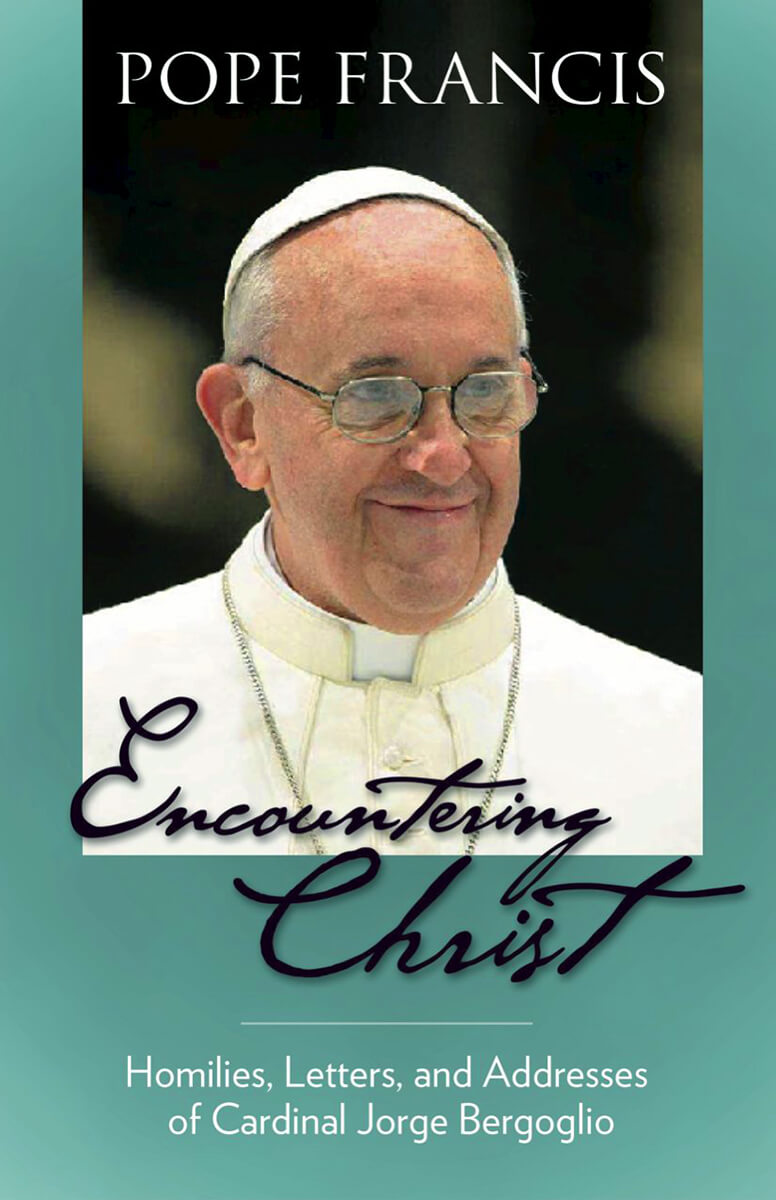
Even prior to his election as Pope in 2013, Cardinal Jorge Bergoglio spoke on the treasure that is the family, the interplay between parish and family life, and the inherent value of every human being (including the young and the unborn). Then, from mid-December 2014 to mid-September 2015, Pope Francis's general audiences centered on the family, its members, the hardships it faces, the beauty of marriage, the appropriateness of work, and the fullness of life to be found in community. This led up to the October synod on the family and finally to Amoris Laetitia.
The exhortation stresses the importance of the Sacrament of Matrimony and the fundamental relationships that originate and are cultivated within the family. In this document Pope Francis declares his hope for seeing among the faithful an increased gratitude for these foundational elements of human society. He also hopes that more people will offer "mercy and closeness" to others who may find themselves in imperfect or troubling family dynamics.
About halfway through Amoris Laetitia, after delineating the Church's teachings on married and family life, Pope Francis offers "pastoral perspectives" on how to properly minister to families. He quotes the Relatio Finalis (the "final report" of the synod addressing the family that was presented to the Holy Father) when he writes, "The main contribution to the pastoral care of families is offered by the parish, which is the family of families, where small communities, ecclesial movements and associations live in harmony" (AL 202).
In an attempt to have the Church better meet families and individuals where they are at spiritually, the Pope recommended several areas for improvement, including:
- More comprehensive training for seminarians in ministering to engaged and married couples
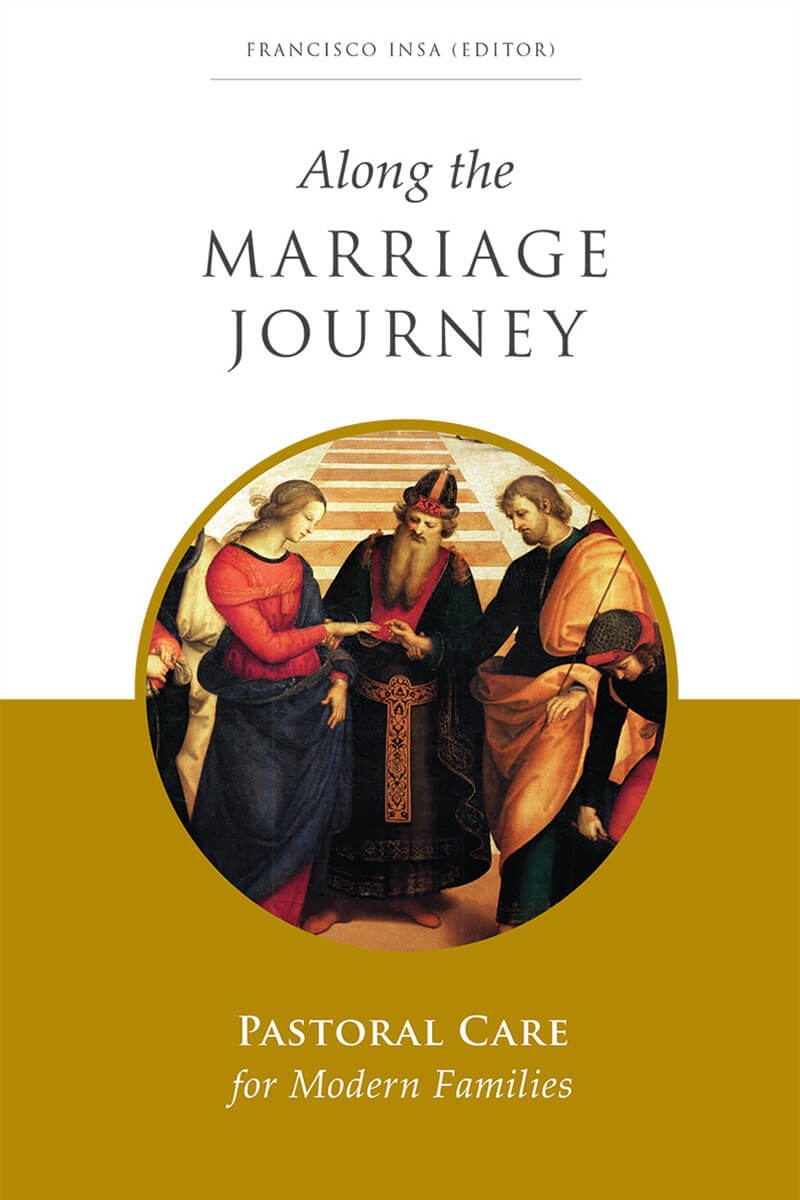
- More effort on the part of the Christian community to prepare couples for marriage
- Marriage preparation programs structured to instill in couples the desire to be devoted, life-long spouses and to equip them to live together in courage and generosity
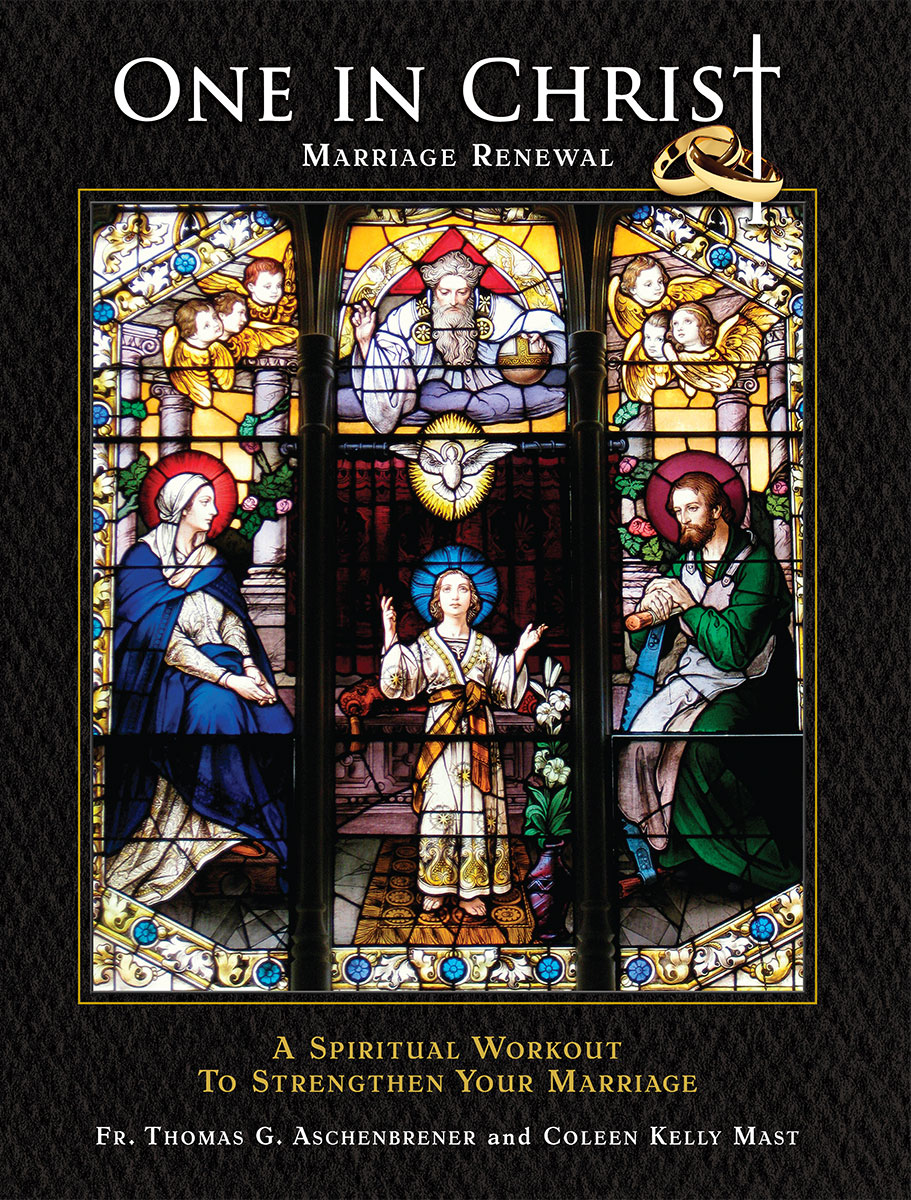
- Pastoral care geared toward newly married couples (not just those who are engaged) with a particular view toward promoting an openness to parenthood and an emphasis on family prayer and religious observance
- Charitable accompaniment of separated spouses
- Ministry to those mourning the death of a loved one
- Stronger formation and education of children on the part of the parents
"Parishes, movements, schools and other Church institutions can help in a variety of ways to support families and help them grow," writes Pope Francis in paragraph 229. Clergy, catechists, and other lay faithful engaged in various apostolates are called to be present to those in need.
Parishes are meant to support people. Francis reminds us: "Crises need to be faced together" (234). It is best when a couple realizes this but, outside of that, we must realize that together also entails something much more far-reaching than that.
Pope Francis's call in Amoris Laetitia requires the faithful not only to devote more time and energy to their evangelization efforts but also to adapt those efforts with the goal of making them more effective. This means we first need to recognize the needs both tangible and spiritual that couples and community members are facing. From there we tailor our ministry to those needs and, at the same time, present the fullness of the Gospel through word and example. In fact, by recognizing the needs of others and acting charitably for their wellbeing, we live the Gospel more authentically.
As with many calls to action within the Church, it takes time to effectively implement better programs. But in the years since the exhortation was published, there have arisen movements within the Church that respond to Francis's call for more effective Catholic ministries that respond to the felt needs of others.
Walking with Moms in Need, an initiative meant to take root at the parish level and ministering to pregnant and parenting moms in difficult situations, was launched by the USCCB in 2020. There have been efforts to renew marriage prep, and many dioceses have encouraged catechesis not just for children but for the entire family.
After ten years we can see signs of Amoris Laetitia's influence, especially in changes for the better within the apostolates of the Church. Yet, there undoubtedly remain many treasures still to be drawn out of this exhortation and enfleshed in the Body of Christ, the Church. It shall serve as a foundational document and an ongoing guide in how Catholics share the sacramental life, and the "Gospel of the family," with those around them.

John Tuttle
John Tuttle is an editorial assistant at Midwest Theological Forum. He has worked as a diocesan communicator, teacher, and reporter. His writing has been published by Catholic World Report, The Wanderer, The Observer, Boone County Journal, Starting Points Journal, University Bookman, Jesuit Media Lab, VoegelinView, and other outlets. He and his family live in northern Illinois.
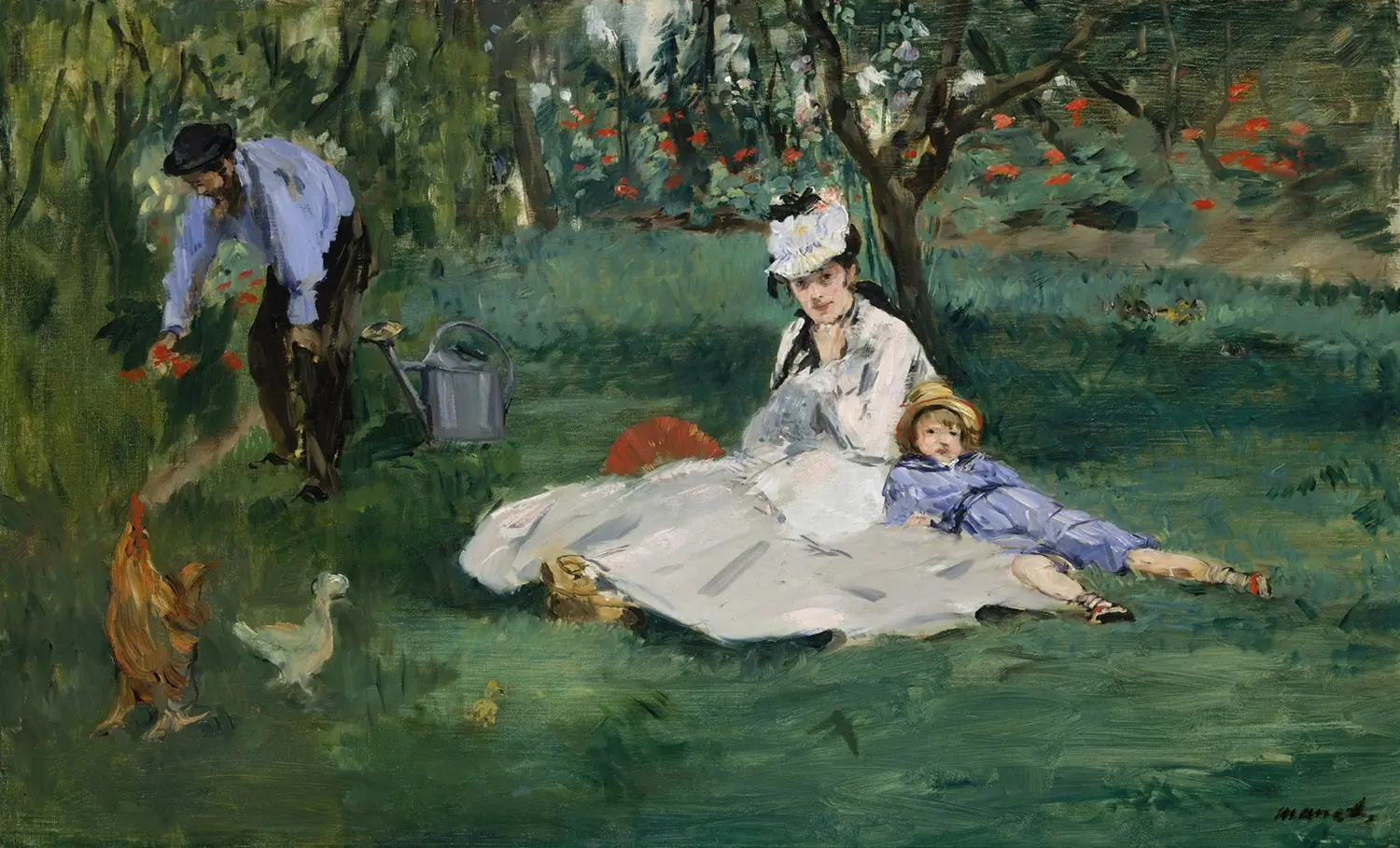
The Monet Family in Their Garden at Argenteuil by Édouard Manet.