In his landmark epistle St. Paul reminds the Christians of Galatia, “For freedom Christ has set us free; stand fast therefore, and do not submit again to a yoke of slavery” (Gal 5:1). Paul was initially addressing some specific sins and difficulties the original audience was facing, but the principle that he so succinctly presents is found throughout the rest of his writings. Christ, by his life, death, and resurrection has set us free from sin and death. As recipients of so great a gift, we ought not to lay it down and return to our sins, “like a dog that returns to his vomit” (Prv 26:11).
But if we are honest, we do return to our sins and imperfections, the “vomit” of our spiritual lives. And while we need to recognize that this is, to a certain degree, the life we will live on this side of eternity, we also must ensure that we do not let this acceptance lead us into complacency. We are free sons and daughters of the living God; we need to act like it.
One practice to help us clearly see God's grace in our lives as well as our own sins is the Examen, or Examination of Conscience. This consists, essentially, in reviewing our day, giving thanks to God for all the good he has helped us do, asking forgiveness for the sins we have committed, and asking for help to grow in virtue and to avoid sin in the future. Put another way: We examine our day for those times that we have acted as free sons and daughters of God and those times that we have submitted again to the yoke of sin.
The General Examen
There are numerous outlines for doing this, but one is to have two Examens that you use each day. The first is called the General Examen and is used to look over the whole of your day with the intention of finding any imperfection or sin that you can. You move through your day from beginning to end and review your actions. How did you react when your bus was late? What was your thought when you got assigned to a project with that coworker? Did you knowingly eat too much or drink to the point of drunkenness? This can be aided by a list of sins that you ask yourself if you committed during the day (much like a list that can be used before Confession). For each identified moment of virtue and victory, give thanks to God for his grace and mercy! For each identified moment of sin and stumbling, acknowledge the sin and humbly ask mercy from your Father.
The Particular Examen
The second and complementary reflection is called the Particular Examen and is used to curb a specific sin and grow in a specific virtue. Identify the sin that you struggle with most (gluttony, lust, anger, etc.) and what its opposite virtue would look like. Then go over your day as you would in the General Examen but do so only with a mind to the identified sin and its contrasting virtue. Because it is more focused, this Examen should be a bit deeper than the General Examen. Ask yourself about what motivations you had throughout the day and in what small ways you may have given sin a foothold or what small (but real) victories over sin you should thank God for. Ask God to help you to be honest with him and with yourself. Then identify a concrete way that you will avoid that sin and pursue its counteractive virtue in the future. Perhaps you will use the extra time waiting for the bus to say a Hail Mary for patience. You can earnestly give thanks to God for creating that coworker and pray for their good. You can stop eating when you are still a little hungry or stop drinking when you think you could have one more. The key to the Particular Examen is persistence; stick with the identified sin and virtue for weeks or months at a time and dedicate yourself to weeding it out from your life.
Shield and Sword
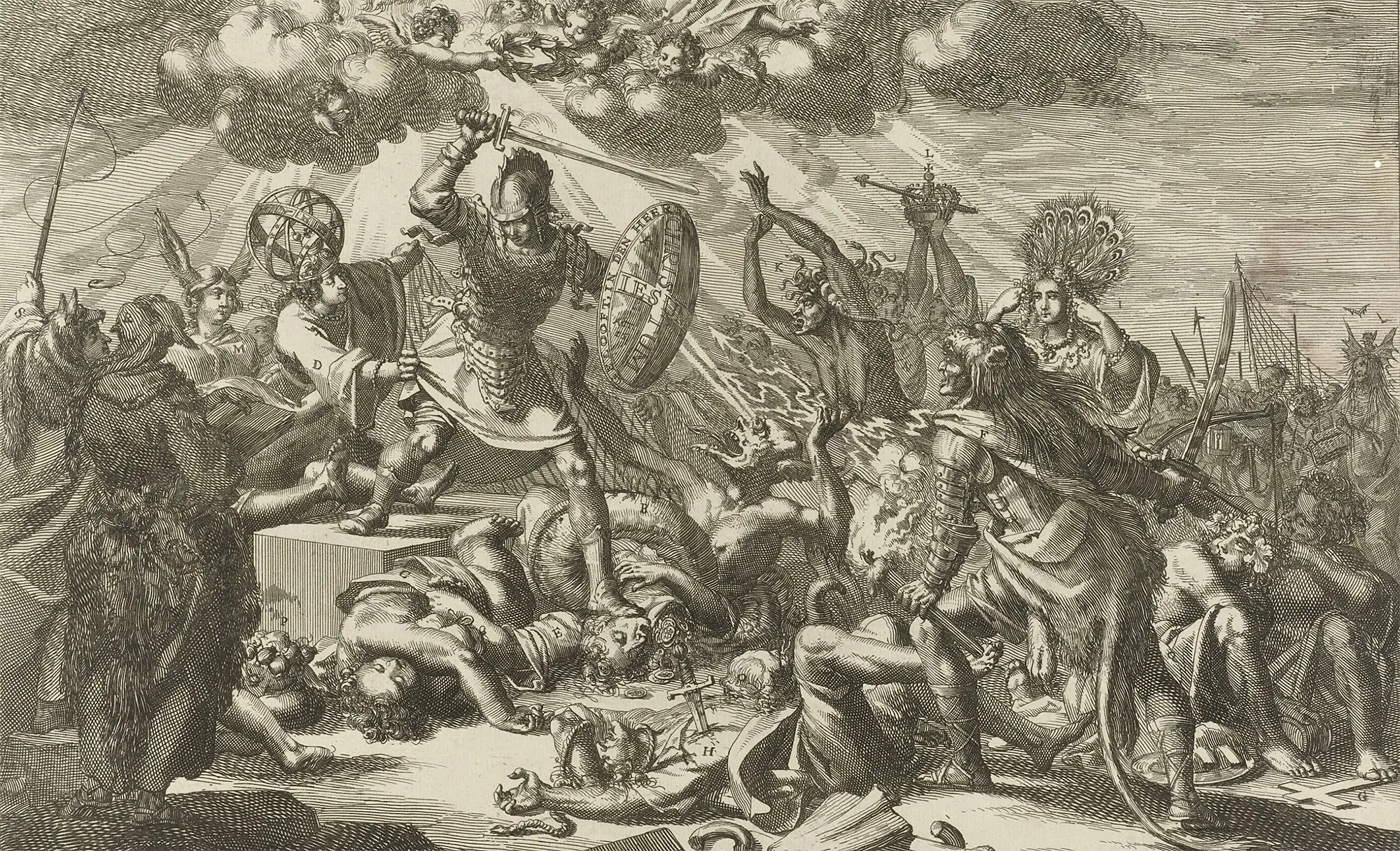
These two build off one another. Frequent use of the General Examen helps with discerning a specific sin to focus on in the Particular Examen, and frequent use of the Particular Examen helps strengthen the self-reflection necessary in identifying smaller sins within the General Examen. Together these two practices cover a wide range of the spiritual life. As St. Josemaria Escriva wrote, “The general examination is a weapon of defense. The particular, of attack. The first is the shield. The second, the sword.” (The Way 238).
It can be helpful to use these two at different points during the day. The General Examen is most naturally done at the end of the day, in order that we can take the greatest amount of our daily life into view. The Particular Examen, on the other hand, can benefit from being done in the middle of the day. This allows us to look over our actions in more detail and gives us ample time to put into effect whatever our resolution may be. Regardless of the time, these both need only take a few minutes to get to the heart of their purpose.
Regular use of these helps us on two fronts. The more obvious of the two is that we keep before our mind daily the fact that we are sinners who have offended God and need his mercy and healing. But we also recall God's tremendous goodness and his love towards us, whether by our confident repentance or by our thanksgiving at his having helped us serve him. Little by little these practices open us up to the working of the Holy Spirit within us and help us to see and to follow his will each day. In so doing, they help us preserve the freedom won for us and live out our identity as sons and daughters of the Father each day.
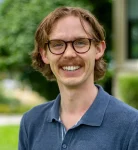
Sam Landon
Sam Landon is an Associate Editor at Midwest Theological Forum. He holds a master’s in religious studies specializing in New Testament and early Christianity from the University of Chicago. He has worked extensively in campus ministry to help young adults grow closer to Christ. He and his wife live in Chicago, IL.

Artwork: The Christian Knight by Jan Luyken