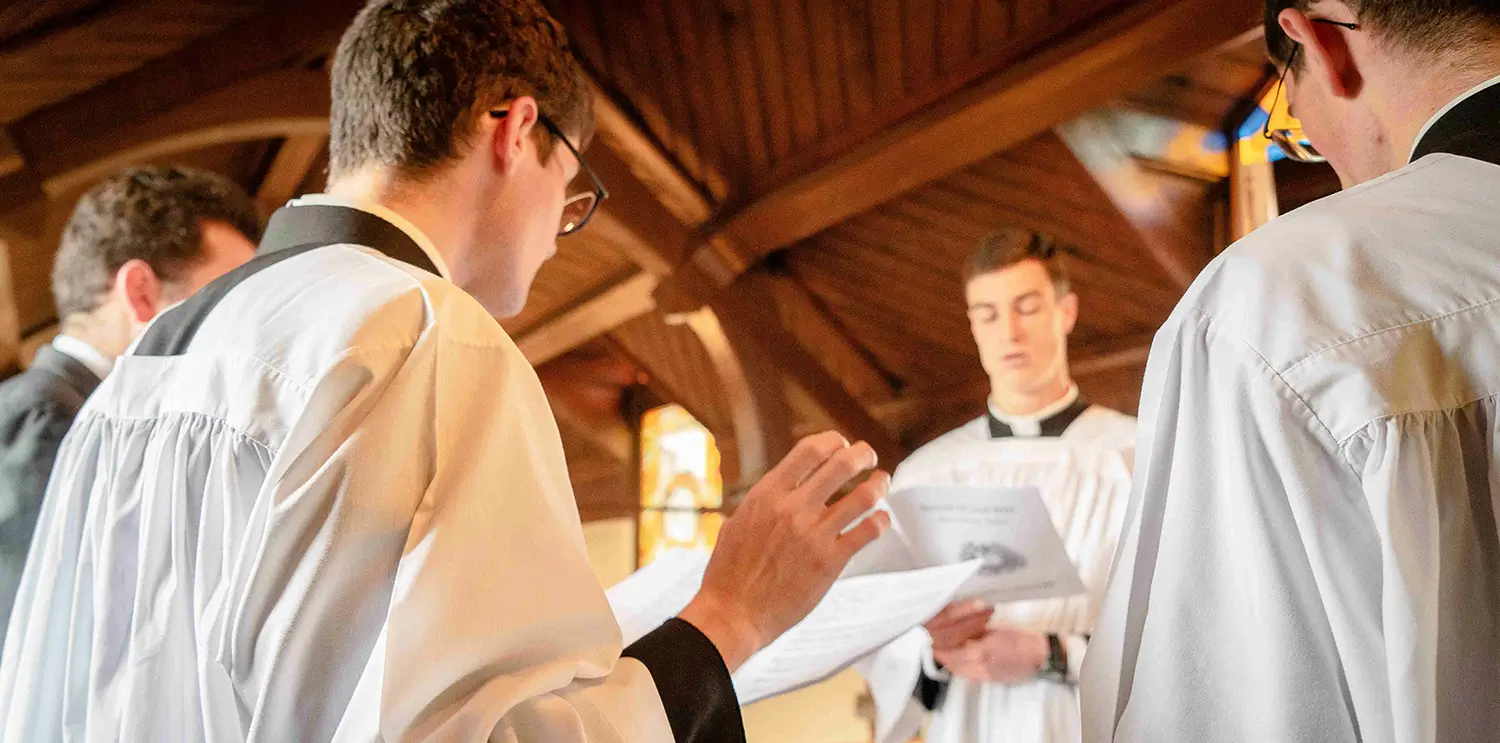
In the last lecture given in this Society for Catholic Liturgy series, Rev. Msgr. Marc Caron, S.T.D., reminded all Catholics the Liturgy of the Hours is not principally designed as a private task. While individual recitation is widely practiced, common celebration is primary. The Liturgy of the Hours is, at its heart, the public prayer of the Church, continuing and extending the worship that Christ has given her.
Individual Recitation
Is Not the Main Goal
Msgr. Caron identified a clear hierarchy when praying the Liturgy of the Hours. Individual recitation, though more common, is secondary. This is not a criticism of personal prayer; rather, it is a reminder that liturgy is something the Church does together. Private praying is a good way to begin learning the Hours, but the liturgical ideal is communal: many Christian voices united in one praise of God.
Two Historical Forms
Shaped Modern Practice
This communal emphasis is related to history. Msgr. Caron described two broad historical forms: monastic prayer and what is sometimes called the cathedral office. The latter—more visibly tied to a diocese or parish church and its liturgical life—is particularly formative for the way modern Christians understand and experience the Liturgy of the Hours.
The Church’s tradition did not preserve the Hours only in monastic settings; the Hours were also shaped through the ordinary rhythms of the local Church. This helps explain why Vatican II aimed to bring the Liturgy of the Hours more fully into parish and ecclesial life.
Continuing the Sacrifice of Praise
The Liturgy of the Hours continues the sacrifice of praise from the Holy Mass. The Mass is the Church’s supreme act of worship, and the Liturgy of the Hours flows out of it as praise offered across the day and week. This is how the Hours can be understood as a kind of daily rhythm of worship that reflects and extends the Mass’s sacrificial praise.
Foretaste of the Unceasing
Praise in Heaven
The Liturgy of the Hours is both a foretaste and a preparation. It is a foretaste of the unceasing praise of God in heaven, training each Christian to participate in the heavenly liturgy now, in time, through the Church’s structured prayer.
The Liturgy of the Hours is not merely about spiritual discipline. It is eschatological: It points beyond the present day to the eternal worship God invites his people to participate in.
The Church Makes
the Hours Accessible
On the practicality of the reforms after the Second Vatican Council, Msgr. Caron highlighted that reforms sought to make the Liturgy of the Hours more accessible to parish priests and all Christians. The aim was to widen the opportunity for the faithful to pray the Hours as the Church intends.
This approach is visible in Sacrosanctum Concilium, the Constitution on the Sacred Liturgy. Msgr. Caron particularly singled out two conciliar emphases:
- Referencing no. 99 of Sacrosanctum Concilium, Msgr. Caron noted the priority is for sung liturgical prayer over spoken. The Church values the sung form as a distinctive way by which prayer becomes more truly communal and more fitting to sacred worship.
- Referencing no. 100 of Sacrosanctum Concilium, Msgr. Caron commented on Feast Days in the Church being celebrated in community. On Feast Days, the Liturgy of the Hours should not be limited to isolated recitation by individual Christians. Feast Days should be marked with a sense of common worship, drawing the community into the Church’s liturgical joy.
Start With What You Can,
and Build to What You Can’t
Msgr. Caron offered a pastoral principle for implementing the Liturgy of the Hours at the parish level: Start with what you can, and build to what you can’t. Make some compromises to start. In practice, this means the Church should encourage praying the Liturgy of the Hours communally, even when local circumstances are imperfect. He identified, from his experience, four examples of imperfect circumstances: limited musicians, smaller congregations, time constraints, and lack of familiarity.
The goal of this principle is to avoid discouragement and to foster growth. If a community prays less perfectly at first, it is still better to begin and learn than to postpone communal celebration indefinitely. The liturgy is not merely a set of texts; it is a life that communities acquire through repeated practice.
Progressive Solemnity:
Capabilities and the Hinge Hours
Finally, there is another conciliar principle: progressive solemnity. Referencing no. 273 of Sacrosanctum Concilium, Msgr. Caron described a way to practice progressive solemnity within a day: Recognize how the hinge Hours of Lauds and Vespers (Morning and Evening Prayer) can anchor the rhythm of worship.
The practical implication is that a parish or diocese need not pretend to have the same resources at every Hour. Instead, it can choose key moments—especially those that naturally gather people—and build from there. Over time, as familiarity increases and participation grows, the community can add solemnity and richer musical settings.
Conclusion:
The Hours Are for the Church
Msgr. Caron presented a practical and coherent vision of the Liturgy of the Hours. It is communal prayer that continues the praise of the Mass, anticipates heaven, and can be prayed in dioceses and parishes. His plan is both ambitious and practical: Begin where you are, prioritize sung prayer, celebrate Feast Days in community, and grow into greater solemnity through prudent development.
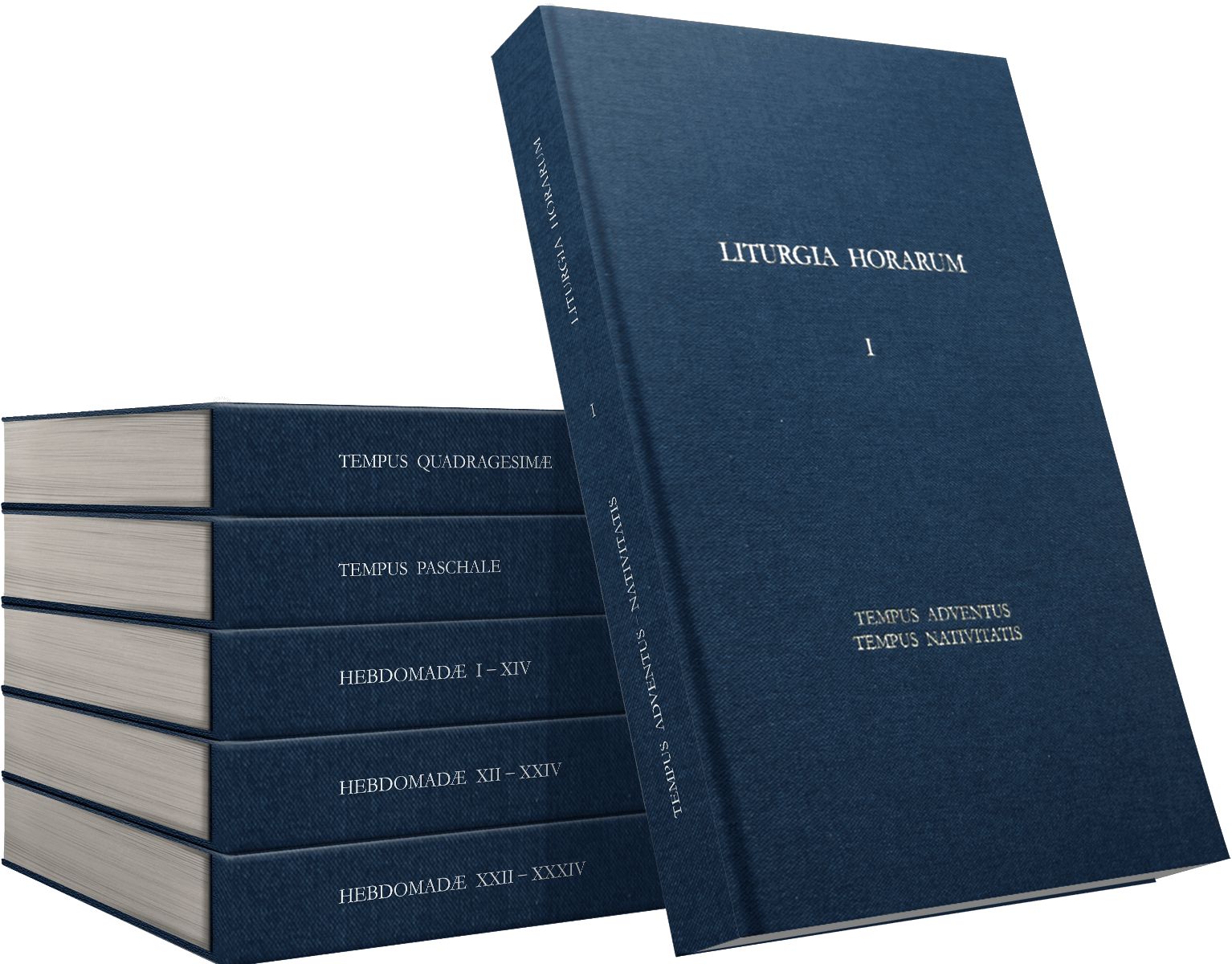
Midwest Theological Forum was selected by the Committee on Divine Worship of the USCCB to publish Extracts of the Liturgy of the Hours, Second Edition. Click here to learn more about the ongoing work being done on the Liturgy of the Hours.
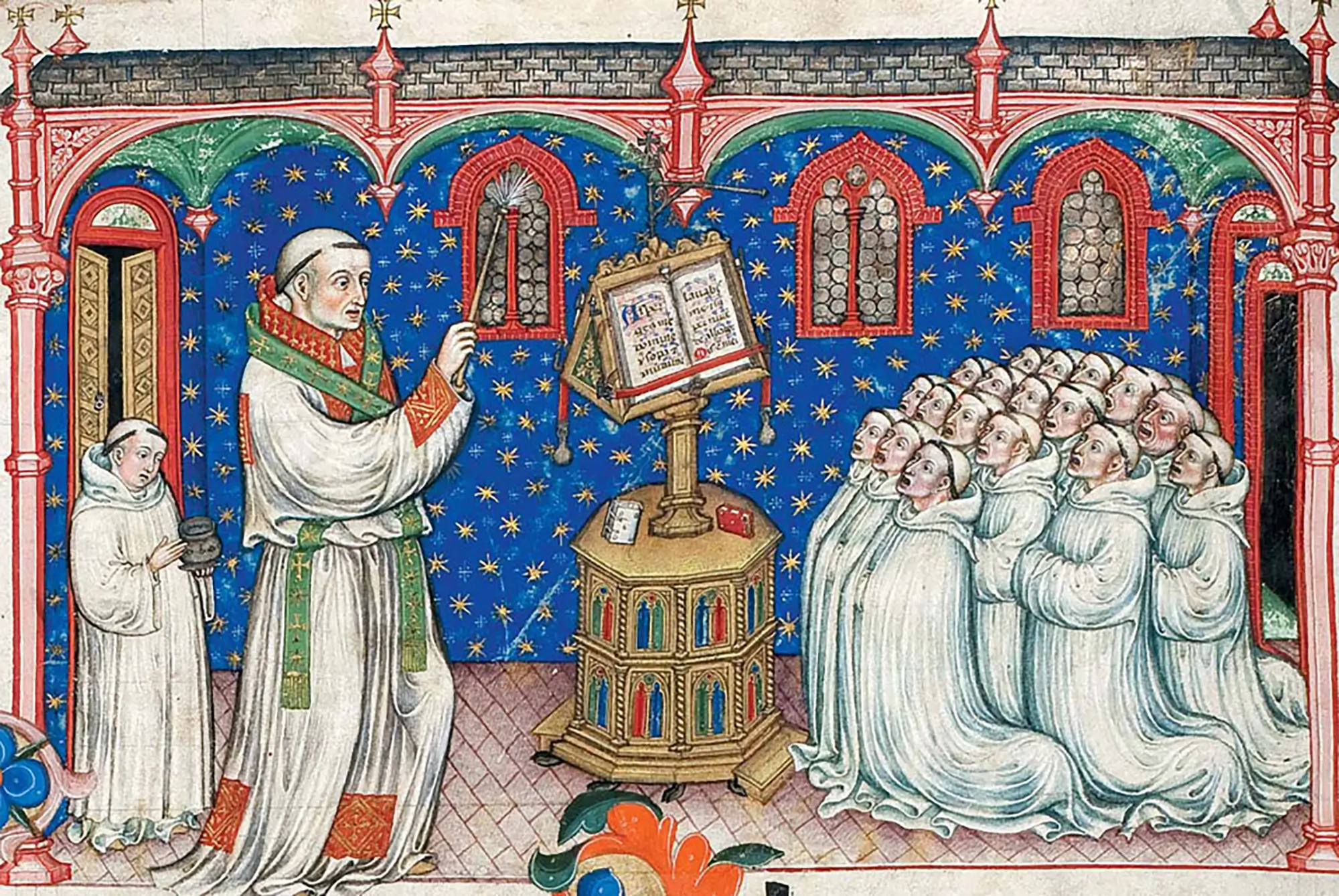
Top Image: Monks singing the office in the Olivetan Gradual. Italy (Lombardy), c. 1439-1447.